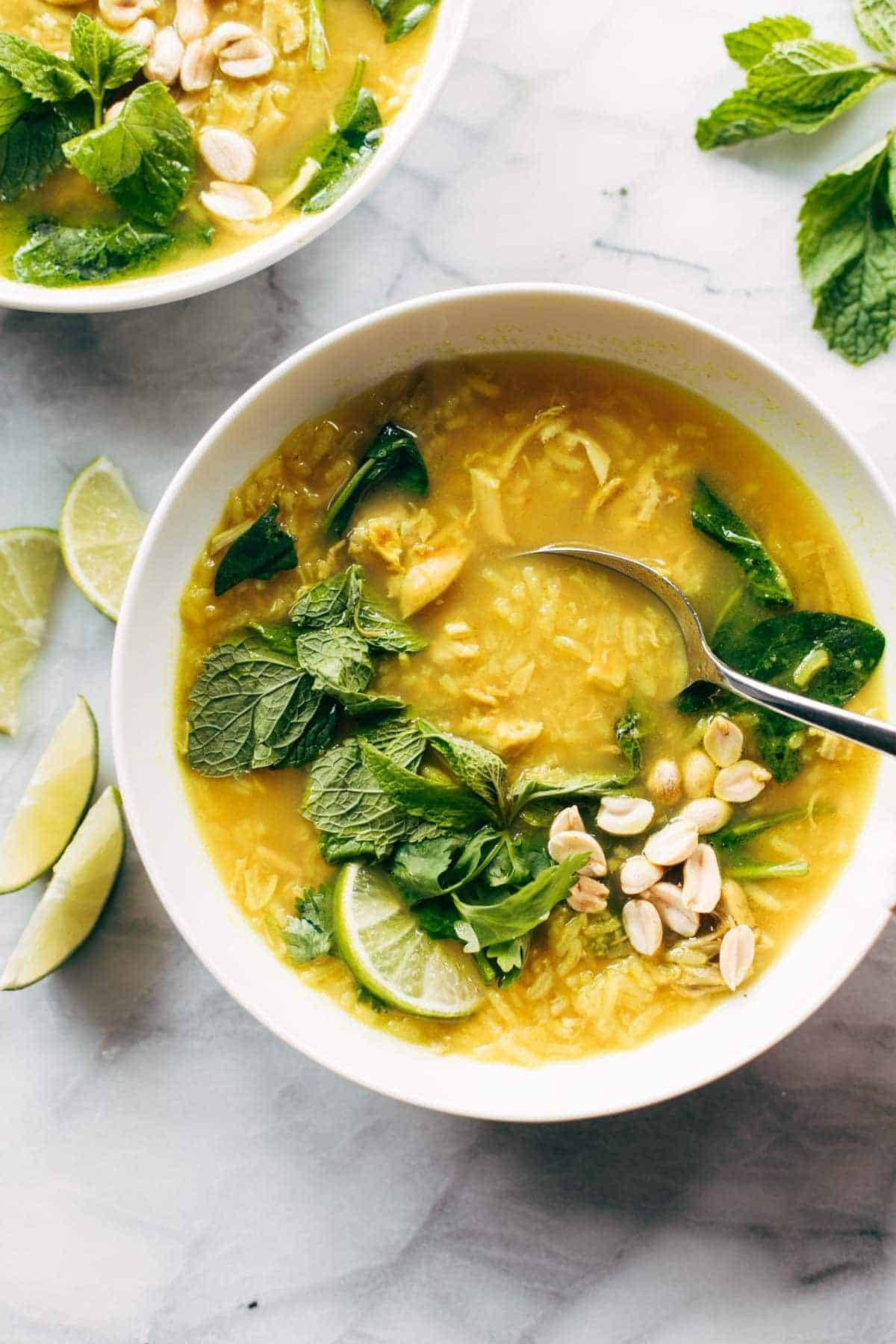
When you’re feeling under the weather or simply need a bowl of pure comfort, nothing beats Healing Chicken and Rice Soup—a nourishing, immune-boosting recipe that combines the time-honored healing power of chicken soup with wholesome vegetables, tender rice, and aromatic herbs. This homemade chicken soup is more than just comfort food; it’s medicine in a bowl, packed with nutrients, anti-inflammatory ingredients, and healing properties that have been trusted for generations.
Perfect for cold and flu season, post-illness recovery, meal prep, or simply when you need a warm hug in bowl form, this immune-boosting soup delivers deep, soul-satisfying flavor while providing the vitamins, minerals, and protein your body needs to heal and thrive. The combination of bone broth, tender chicken, nutrient-dense vegetables, and warming spices creates a complete meal that’s as restorative as it is delicious.
Why You’ll Love This Healing Chicken and Rice Soup
Genuinely Therapeutic
This isn’t just comfort food—it’s scientifically backed healing food. Chicken soup has anti-inflammatory properties and helps with hydration, congestion, and immune function.
Complete Nutrition in One Bowl
With protein from chicken, complex carbs from rice, vitamins from vegetables, and minerals from bone broth, this is a nutritionally complete meal that supports recovery.
Easy to Digest
The tender chicken, soft rice, and well-cooked vegetables are gentle on the digestive system, making this ideal for sick day soup or recovery meals.
Deeply Flavorful
Despite being gentle and healing, this soup doesn’t sacrifice flavor. The rich broth, aromatic herbs, and perfectly seasoned ingredients create restaurant-quality taste.
Freezer-Friendly
Make a big batch and freeze portions for quick, healing meals whenever you need them—the ultimate make-ahead comfort food.
Budget-Friendly
Using affordable ingredients like chicken thighs, rice, and simple vegetables, this economical soup feeds a family or provides multiple meals without breaking the bank.
Customizable for Preferences
Easily adapt to dietary needs, ingredient availability, or personal taste preferences while maintaining the healing properties.
Ingredients for Healing Chicken and Rice Soup
For the Soup Base
- 2 tablespoons olive oil or butter
- 1 large yellow onion, diced
- 3 large carrots, peeled and sliced into rounds
- 3 celery stalks, sliced
- 6 cloves garlic, minced
- 1 tablespoon fresh ginger, minced (immune-boosting addition)
- 8 cups chicken bone broth (homemade or high-quality store-bought)
- 2 bay leaves
- 3 sprigs fresh thyme (or 1 teaspoon dried)
- 1 teaspoon dried oregano
- ½ teaspoon turmeric powder (anti-inflammatory)
- 1 teaspoon sea salt (adjust to taste)
- ½ teaspoon black pepper
- ¼ teaspoon red pepper flakes (optional, for clearing sinuses)
For the Chicken
- 1½ pounds boneless, skinless chicken thighs (or breasts)
- OR 1 whole chicken (3-4 pounds) for homemade bone broth
For the Rice and Vegetables
- ¾ cup long-grain white rice (or brown rice for more fiber)
- 2 cups chopped kale or spinach (added at the end)
- 1 cup frozen peas (optional)
- 2 tablespoons fresh lemon juice
- ¼ cup fresh parsley, chopped
- 2 tablespoons fresh dill, chopped (optional but recommended)
Optional Immune-Boosting Add-Ins
- 1 cup sliced mushrooms (shiitake for extra immune support)
- 1 teaspoon apple cider vinegar (helps extract minerals from bones)
- 1 parsnip, peeled and diced (adds sweetness and nutrients)
- 1 small sweet potato, diced (vitamin A boost)
- ½ teaspoon cayenne pepper (clears congestion)
- Fresh cilantro (for those who love it)
- Miso paste (1-2 tablespoons, added at the end)
For Serving
- Extra fresh lemon wedges
- Crusty bread or crackers
- Fresh herbs for garnish
- Hot sauce (for sinus-clearing heat)
- Grated Parmesan cheese (optional)
Step-by-Step Instructions
Making Homemade Bone Broth (Optional but Recommended – 3-4 hours or overnight)
Step 1: Roast the Chicken (If Making from Scratch)
For the most healing, nutrient-dense broth, start with a whole chicken. Roast at 400°F for 1 hour until golden. This adds depth of flavor to your homemade chicken broth.
Step 2: Simmer the Bones
Place roasted chicken (or raw chicken bones, backs, and wings) in a large stockpot. Add 10 cups water, 1 tablespoon apple cider vinegar, onion scraps, carrot peels, celery tops, and peppercorns.
Step 3: Long, Slow Simmer
Bring to a boil, then reduce to the lowest simmer. Cover partially and simmer for 3-4 hours (or up to 24 hours in a slow cooker). The long cooking extracts maximum nutrients, collagen, and minerals from the bones.
Step 4: Strain the Broth
Strain through a fine-mesh sieve, discarding solids. Let cool, then refrigerate. The broth should gel when cold—this indicates high collagen content, which is excellent for healing.
Shortcut: Use high-quality store-bought bone broth or chicken stock. Look for brands with minimal ingredients and no artificial flavors.
Making the Healing Chicken and Rice Soup (1 hour)
Step 5: Sauté the Aromatics
In a large Dutch oven or soup pot, heat olive oil or butter over medium heat. Add diced onion, carrots, and celery (the classic mirepoix base). Sauté for 8-10 minutes until vegetables are softened and onions are translucent.
Why This Matters: Sautéing the vegetables first develops deeper, richer flavor compared to simply boiling them in broth.
Step 6: Add Garlic and Ginger
Add minced garlic and ginger to the pot. Sauté for 1-2 minutes until fragrant, stirring constantly to prevent burning. The ginger adds immune-boosting properties and a warming, slightly spicy note.
Ginger’s Healing Power: Fresh ginger has anti-inflammatory compounds and can help ease nausea, reduce congestion, and support immune function—perfect for a healing soup.
Step 7: Add Broth and Seasonings
Pour in the chicken bone broth. Add bay leaves, fresh thyme sprigs, dried oregano, turmeric, salt, pepper, and red pepper flakes (if using). Stir to combine.
Turmeric Addition: The anti-inflammatory properties of turmeric make this an especially healing chicken soup. The small amount won’t overpower the flavor but adds significant health benefits.
Step 8: Bring to a Boil
Increase heat to high and bring the soup to a rolling boil. This should take about 5-10 minutes depending on your pot size and heat level.
Step 9: Add the Chicken
Add the whole chicken thighs (or breasts) to the boiling broth. Reduce heat to maintain a gentle simmer. Cover partially with the lid.
Thighs vs. Breasts: Chicken thighs remain more tender and flavorful during the long cooking time, while breasts can become dry. Thighs are recommended for the best tender chicken soup.
Step 10: Simmer Until Chicken Is Cooked
Simmer for 20-25 minutes until the chicken is fully cooked and reaches an internal temperature of 165°F. The chicken should be tender and easily shredded.
Step 11: Remove and Shred the Chicken
Using tongs or a slotted spoon, carefully remove the chicken from the pot and transfer to a cutting board. Let cool for 5 minutes, then shred or chop into bite-sized pieces using two forks or a knife.
Tip: Don’t discard any flavorful bits that fall apart—add them all back to the soup for maximum flavor and protein.
Step 12: Add the Rice
While the chicken cools, add the rice to the simmering broth. Stir well to prevent sticking. Simmer uncovered for 15-20 minutes (white rice) or 35-40 minutes (brown rice) until the rice is tender.
Rice Absorption: The rice will absorb liquid as it cooks. Keep an eye on the soup and add more broth or water if it becomes too thick.
Step 13: Return Chicken to Pot
Once the rice is tender, add the shredded chicken back to the pot. Stir to distribute evenly throughout the soup.
Step 14: Add Greens
Add chopped kale or spinach to the soup. Stir and let simmer for 3-5 minutes until the greens are wilted and tender. The greens add vitamins A, C, and K, plus additional fiber.
Green Options: Kale holds up better and adds more nutrients, while spinach is milder and wilts more quickly. Choose based on preference.
Step 15: Add Peas (Optional)
If using frozen peas, add them now and simmer for 2-3 minutes until heated through. Peas add sweetness, color, and additional nutrients.
Step 16: Finish with Fresh Flavors
Remove the pot from heat. Discard the bay leaves and thyme sprigs. Stir in fresh lemon juice, chopped parsley, and dill (if using). These fresh elements brighten the soup and add vitamin C.
Lemon’s Role: Fresh lemon juice adds brightness that balances the rich broth and enhances all the other flavors. It’s essential for the best flavorful healing soup.
Step 17: Taste and Adjust Seasonings
Taste the soup and adjust seasonings. Add more salt for depth, pepper for warmth, lemon juice for brightness, or a pinch of turmeric for earthiness. The soup should be well-seasoned and flavorful.
Seasoning Tip: Soup often needs more salt than you think. Season gradually, tasting after each addition until the flavors pop.
Serving and Storing (10 minutes)
Step 18: Ladle into Bowls
Ladle the hot soup into serving bowls, ensuring each bowl gets a good mix of chicken, rice, vegetables, and broth.
Step 19: Garnish Thoughtfully
Top each bowl with additional fresh herbs, a squeeze of lemon, and freshly cracked black pepper. For those who want heat, offer hot sauce or red pepper flakes on the side.
Step 20: Serve with Accompaniments
Serve alongside crusty bread, crackers, or toast for dipping. The carbohydrates provide additional energy when you’re feeling run down.
Step 21: Store Properly
Cool any leftovers completely before refrigerating. Store in airtight containers for up to 5 days in the refrigerator or up to 3 months in the freezer.
Storage Note: The rice will continue to absorb liquid as the soup sits. Add additional broth or water when reheating to restore the desired consistency.
Expert Tips for the Best Healing Chicken and Rice Soup
Use Bone Broth for Maximum Healing
Bone broth contains collagen, gelatin, and minerals that support gut health, joint health, and immune function—far superior to regular stock for healing properties.
Don’t Skip the Aromatics
Garlic, ginger, onions, and turmeric all have proven immune-boosting and anti-inflammatory properties. They’re not just flavor—they’re medicine.
Season Generously
Sick people often have diminished taste. Season the soup well so it’s flavorful and appealing even when taste buds aren’t functioning optimally.
Add Acid at the End
Fresh lemon juice added just before serving brightens all the flavors. Added too early, the acid cooks off and loses its impact.
Cook Rice Separately for Meal Prep
If making this for meal prep or freezing, cook rice separately and add when serving. This prevents the rice from becoming mushy and absorbing all the broth.
Use Dark Meat Chicken
Chicken thighs have more flavor and stay tender during long cooking. White meat can become dry and stringy.
Adjust Consistency to Preference
Some prefer brothier soup, others like it thick and stew-like. Adjust liquid levels and rice amounts to your personal preference.
Fresh Herbs Make a Difference
Fresh parsley, dill, and thyme add brightness and additional nutrients. Don’t skip them—they elevate the soup from good to exceptional.